FlemingClans.com

"Scotland's Fleming Clan: a Genealogical History" - coming in 2027!
Link: Bruce
 The Flemings and the Bruce family
Allies, 1306 - 1583
Loyalty to Robert the Bruce and his son David II made the Flemings’ fortune. It brought them the barony of Lenzie and the earldom of Wigtown. Later generations dealt with several branches of the Bruce family as neighbours, in-laws and opponents in the courts.
With Bruce from the start
Malcolm Fleming of Fulwood stood with Robert the Bruce from the beginning of his reign. He was at Dumfries in 1306 when John Comyn was killed, and he fought in Bruce’s army at Bannockburn in 1314. His reward was the barony of Kirkintilloch, or Lenzie, which had been forfeited by the Comyns. It became the heart of the Fleming estates for five centuries. See Estate: Lenzie and Cumbernauld.
Saviours of David II
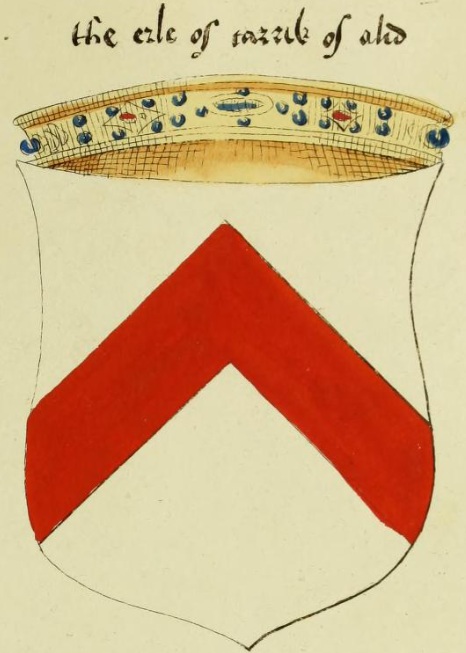
After the disaster at Halidon Hill in 1333, Malcolm sheltered the boy king David II and his queen in Dumbarton Castle. He later arranged their passage to France. He was captured with the king at Neville’s Cross in 1346 and escaped the following year. For these services David II made him Earl of Wigtown in 1341. His grandson Thomas served repeatedly as a hostage for the captive king between 1351 and 1357. In 1367 Sir David Fleming escorted part of the king’s ransom to England.
Later Bruce connections
After the Bruce kings, the family dealt with several Bruce families. Robert, 1st Lord Fleming, lost lawsuits to John Bruce of Stenhouse over the liferent of Dunbulls in 1482 and 1483. In 1583 Jean Fleming married William Bruce of Airth, a descendant of Robert I, and the Bruces of Airth lent money on the security of Lenzie in 1587 and 1588. The Flemings of Moness in Perthshire married into the Bruces of Cultmalindie, and in 1618 Alexander Fleming of Moness was among the associates of Lawrence Bruce in the killing of Edward Toshach.